
What Production-Ready Business Software Should Include
A practical checklist for moving beyond a working demo to software a real business can operate, support, secure, and improve.
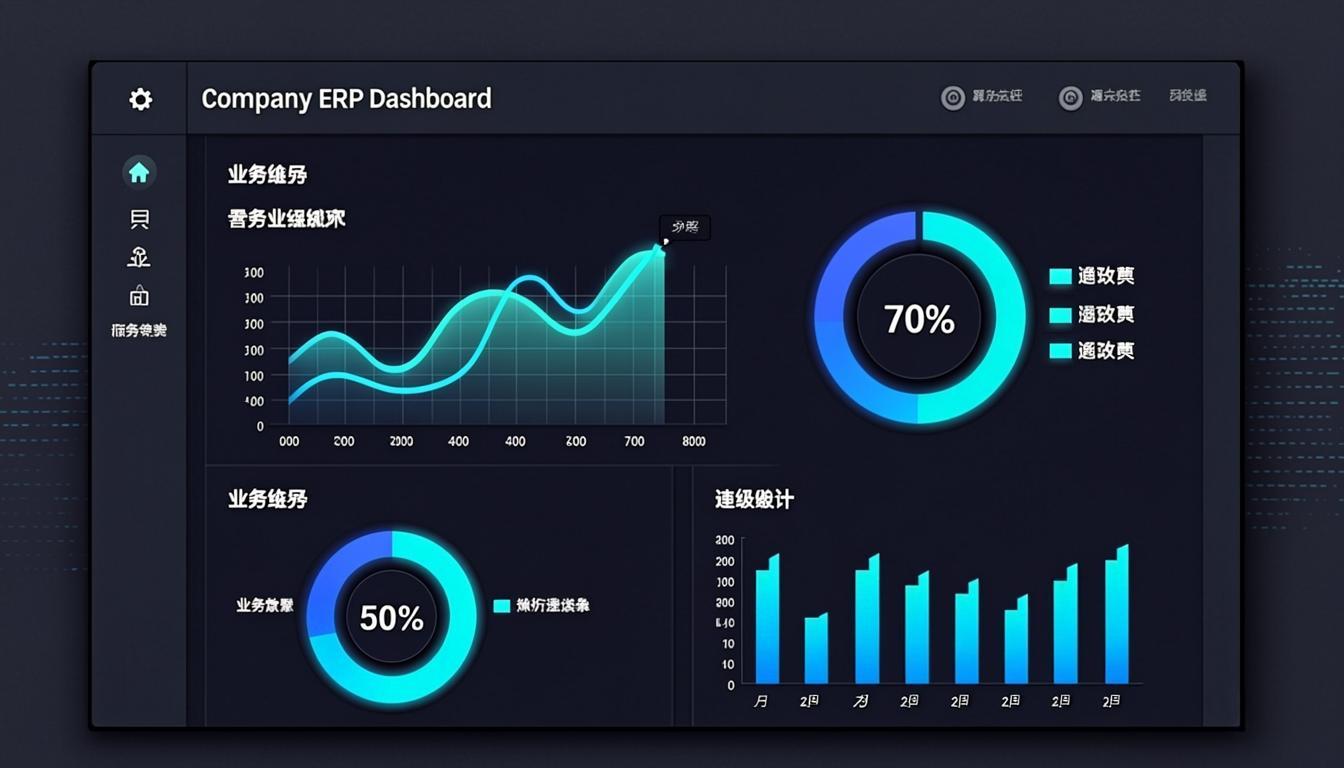
Production-ready is more than “it works”
A business application can look complete while still missing the things that make it dependable in daily operations. Production readiness is about what happens when real users, real data, permissions, failures, and change enter the picture.
Start with clear user roles
Different users should see and do only what their responsibilities require. Good access control makes the system easier to use and reduces avoidable risk.
A useful starting point is to define:
- who can create, review, approve, and close work
- which records are restricted by team, department, branch, or client
- which actions require a second approval
- what administrators can configure without changing code
Make important actions traceable
When a system affects money, inventory, assets, students, customers, or staff, the business should be able to understand what changed and why.
That usually means keeping reliable timestamps, actors, status history, approvals, and audit records for sensitive operations.
Design for failure and recovery
Production software should assume that networks fail, users retry actions, integrations time out, and servers occasionally need to be restored.
Important safeguards can include:
- idempotent operations for critical submissions
- backups with a tested restore procedure
- useful error messages and retry paths
- monitoring for failed jobs and integrations
- controlled deployment and rollback procedures
Treat security as part of the architecture
Authentication is only one layer. Production systems also need authorization, safe secrets management, input validation, secure session handling, dependency maintenance, and clear administrative boundaries.
Keep the operating team in mind
Documentation, support workflows, configuration screens, logs, and handover material are part of the product. They reduce dependence on individual developers and help the business keep moving.
The practical test
A useful question is not simply “Can the application perform the happy path?”
Ask instead: Can the organization safely operate this system every day, understand what happened when something goes wrong, and continue improving it without rebuilding everything?
That is the standard we use when shaping production systems at Lightworld Technologies.